Promised Land Foundation
The institutional anchor connecting commercial success to civilisational purpose — heritage preservation, peace diplomacy, and public infrastructure.
Overview
The Promised Land Foundation is the philanthropic and research arm of The Promised Group, and the institutional vehicle through which the group’s civilisational commitments find expression. The Foundation operates across three interconnected domains: heritage preservation, peace diplomacy, and public infrastructure development.
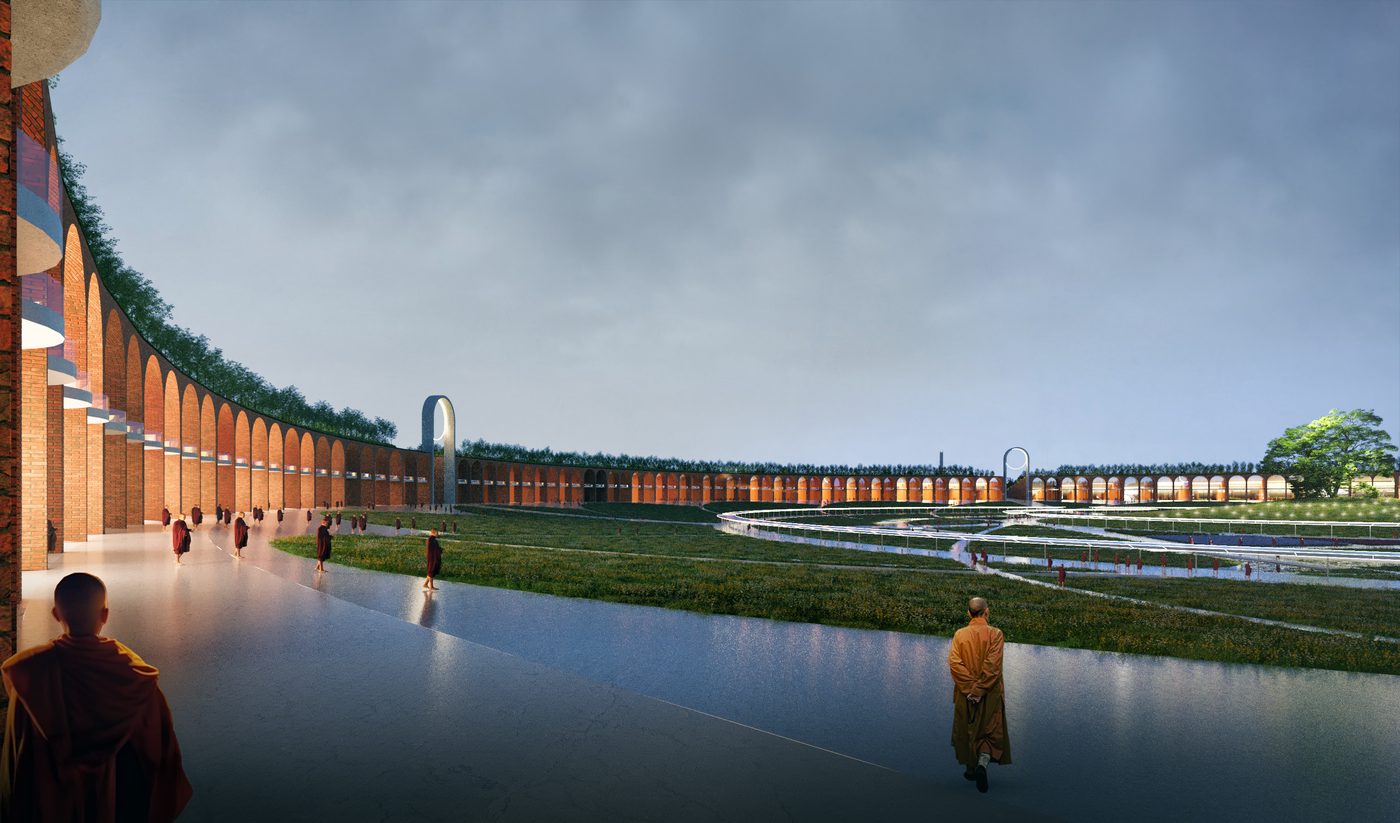
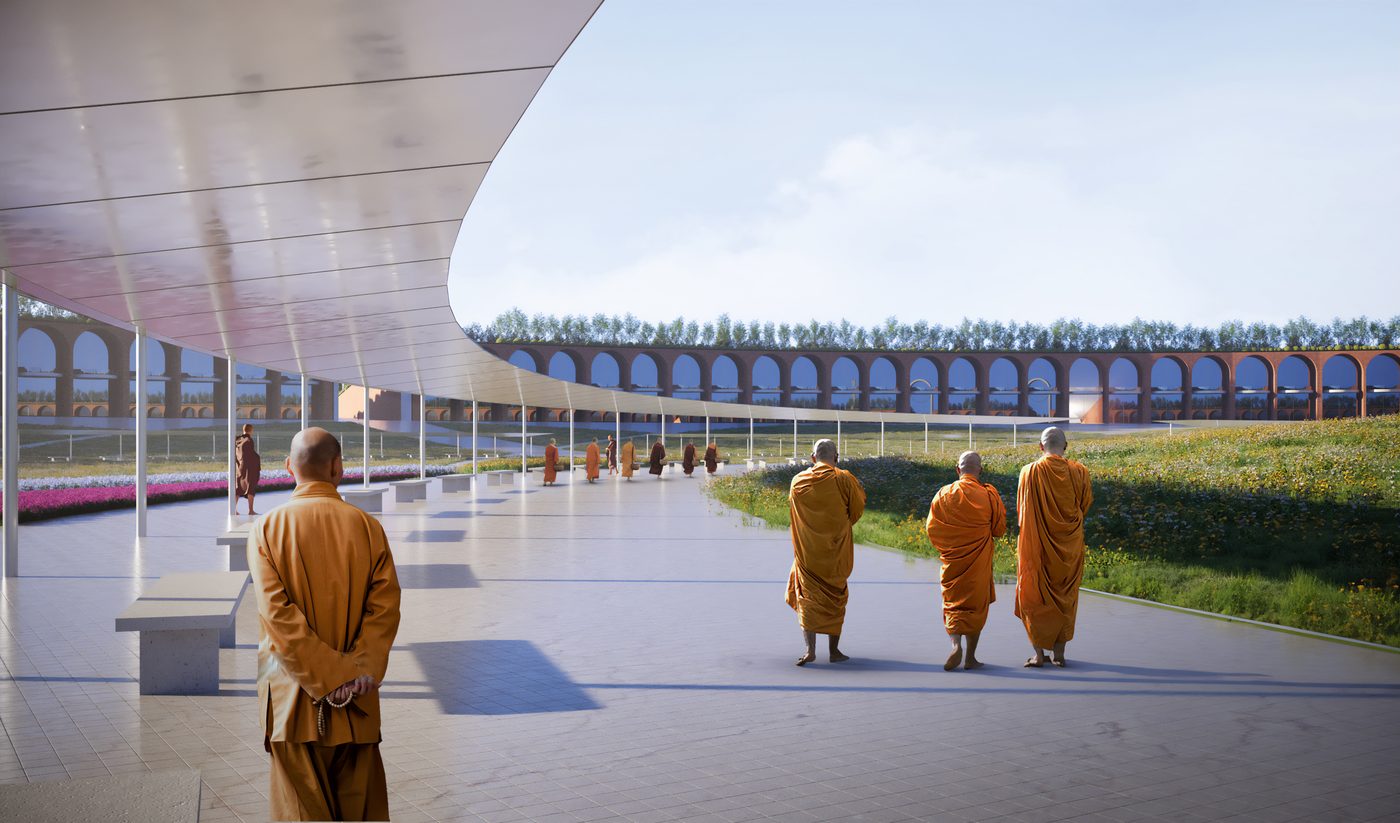
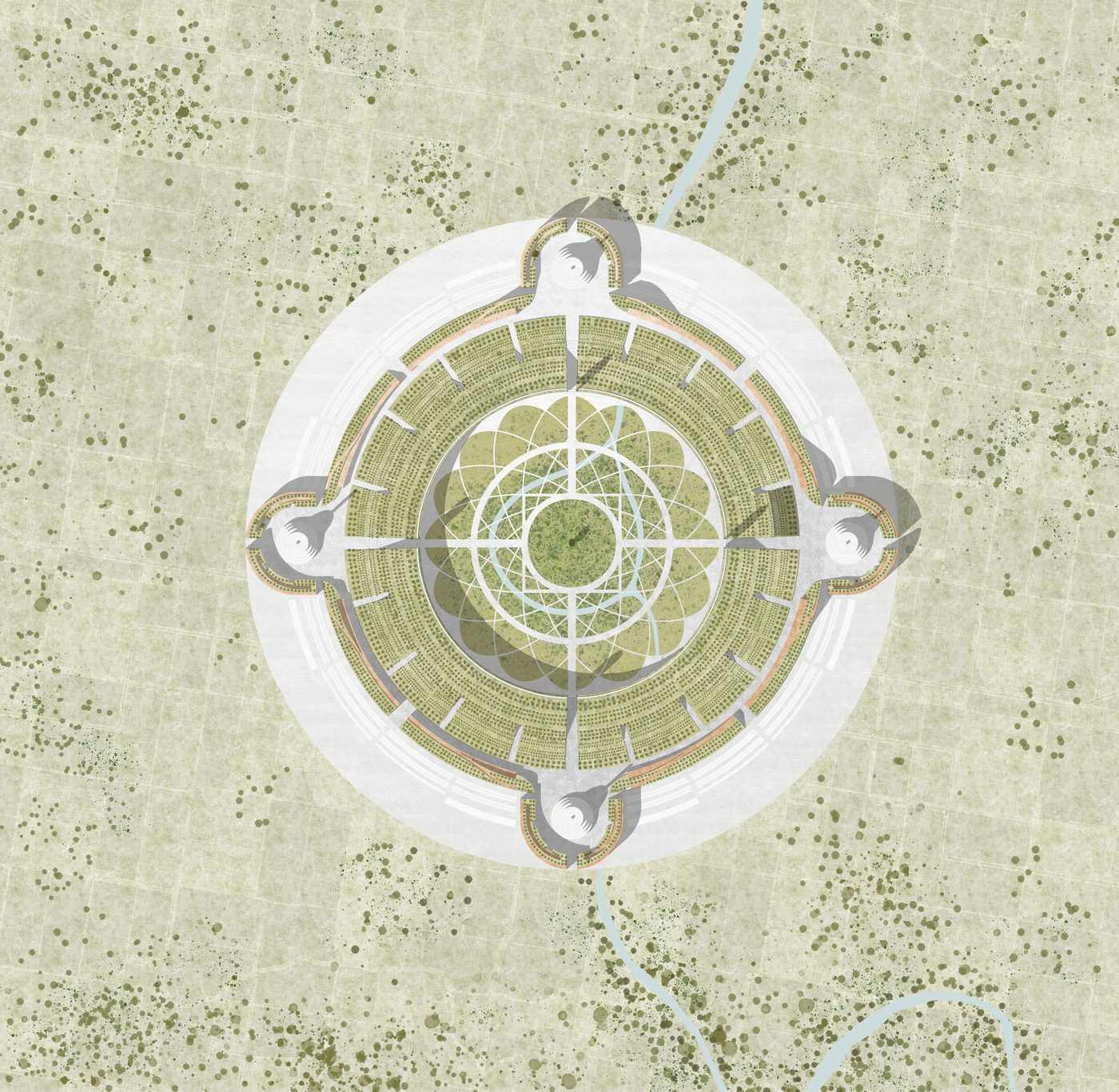
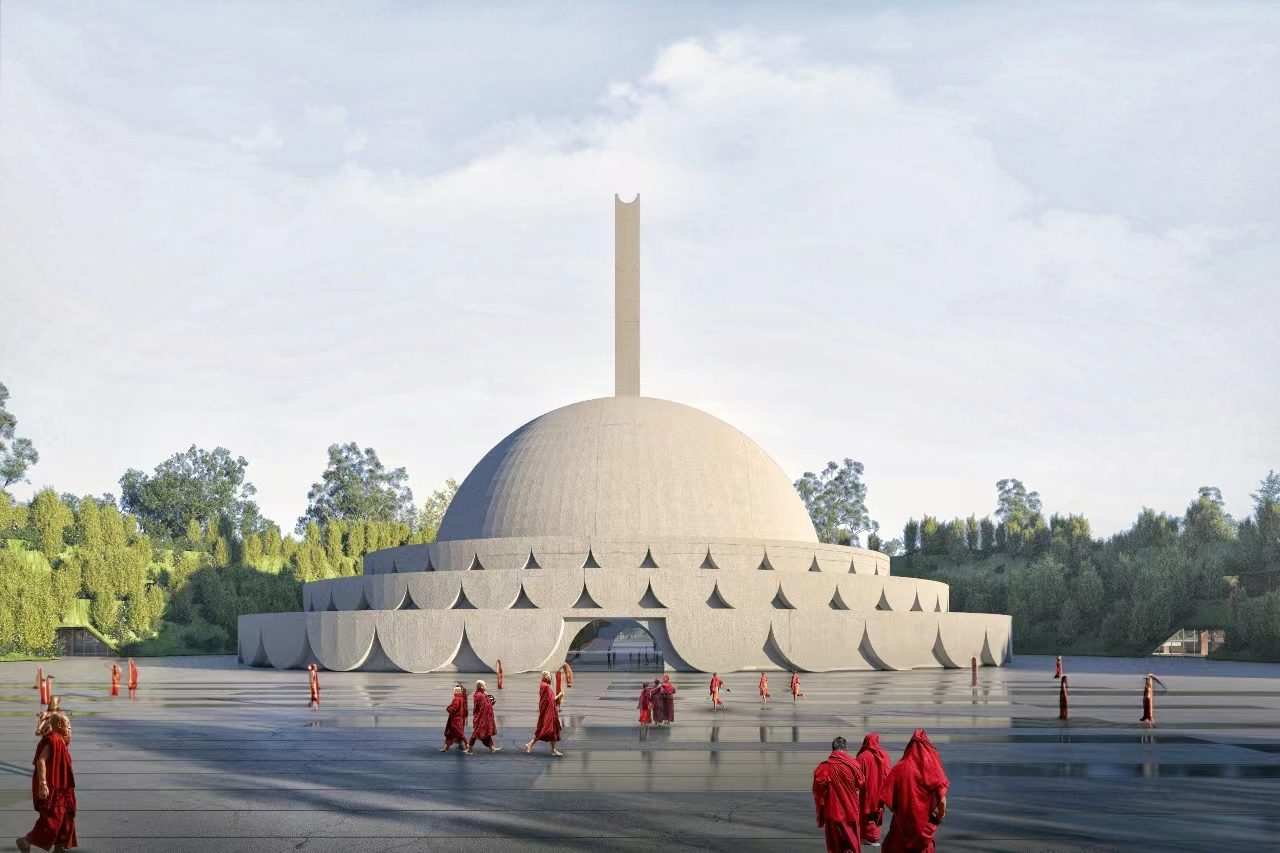
Its most significant undertaking is the stewardship of the Ramagrama Master Plan — a $500 million heritage and development project designed by Stefano Boeri Architetti, the internationally acclaimed architecture firm. The Foundation also hosts the World Peace Program, a diplomatic initiative that positions Nepal as a convening ground for global peace dialogue.
The Ramagrama Vision
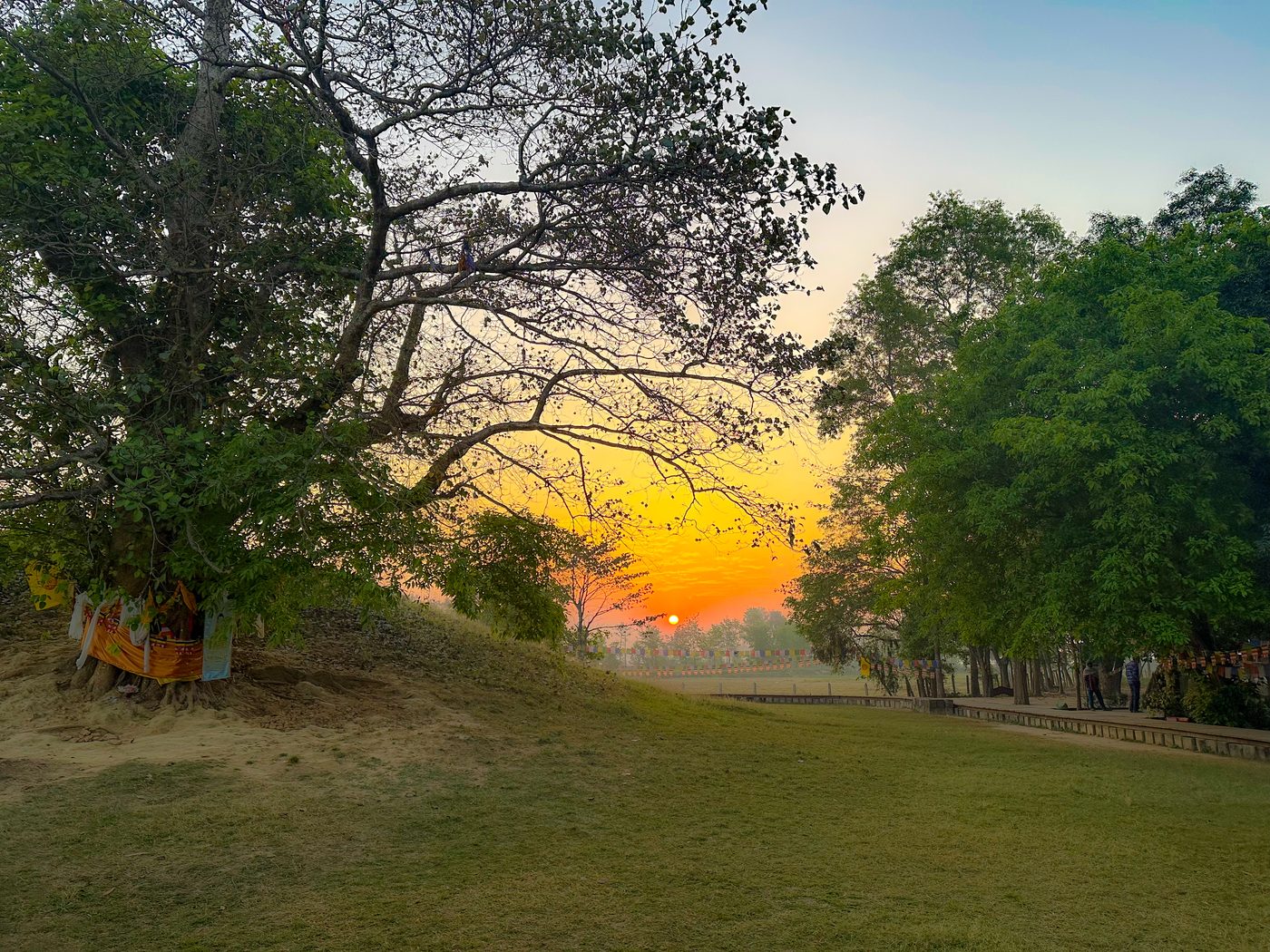
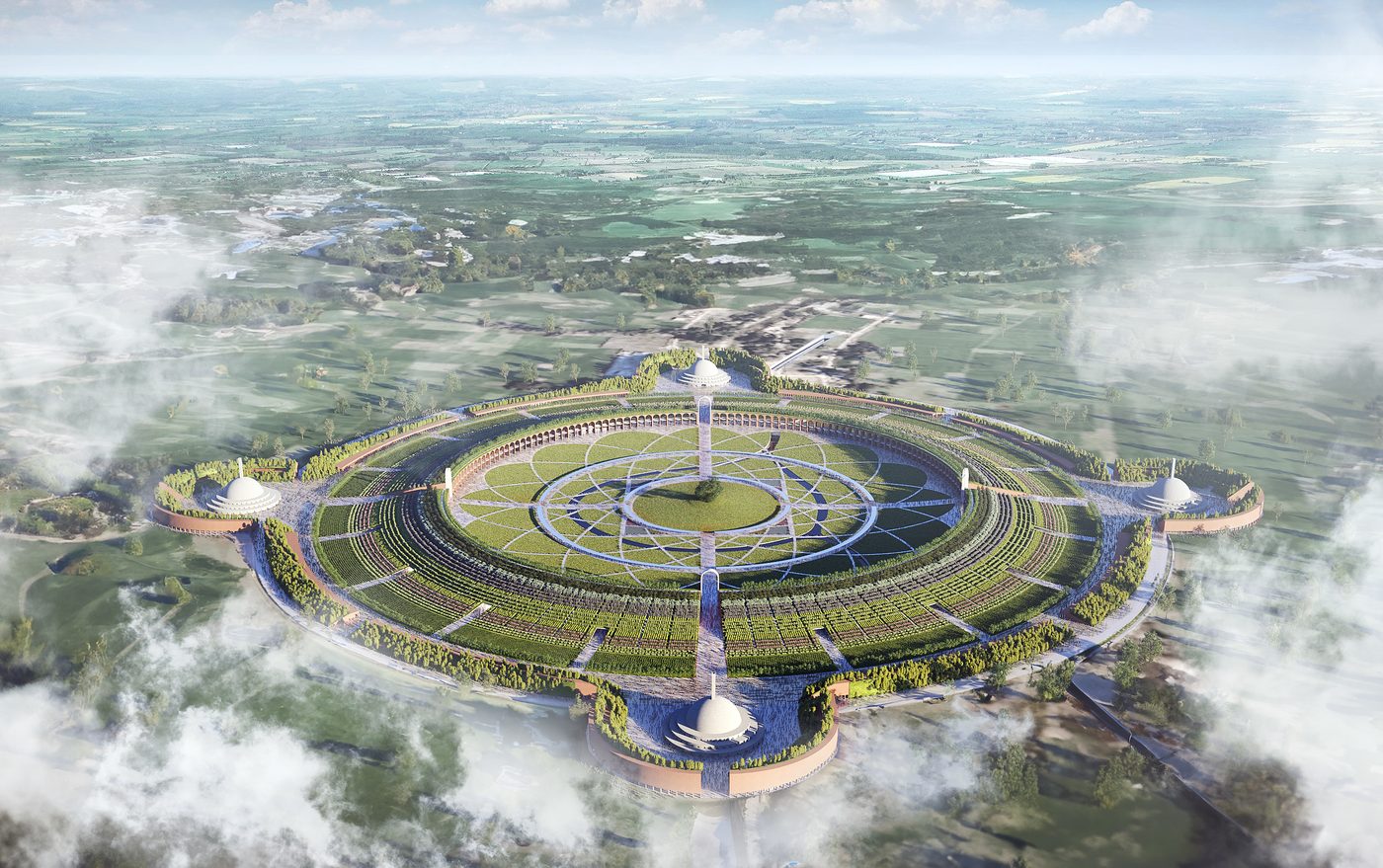
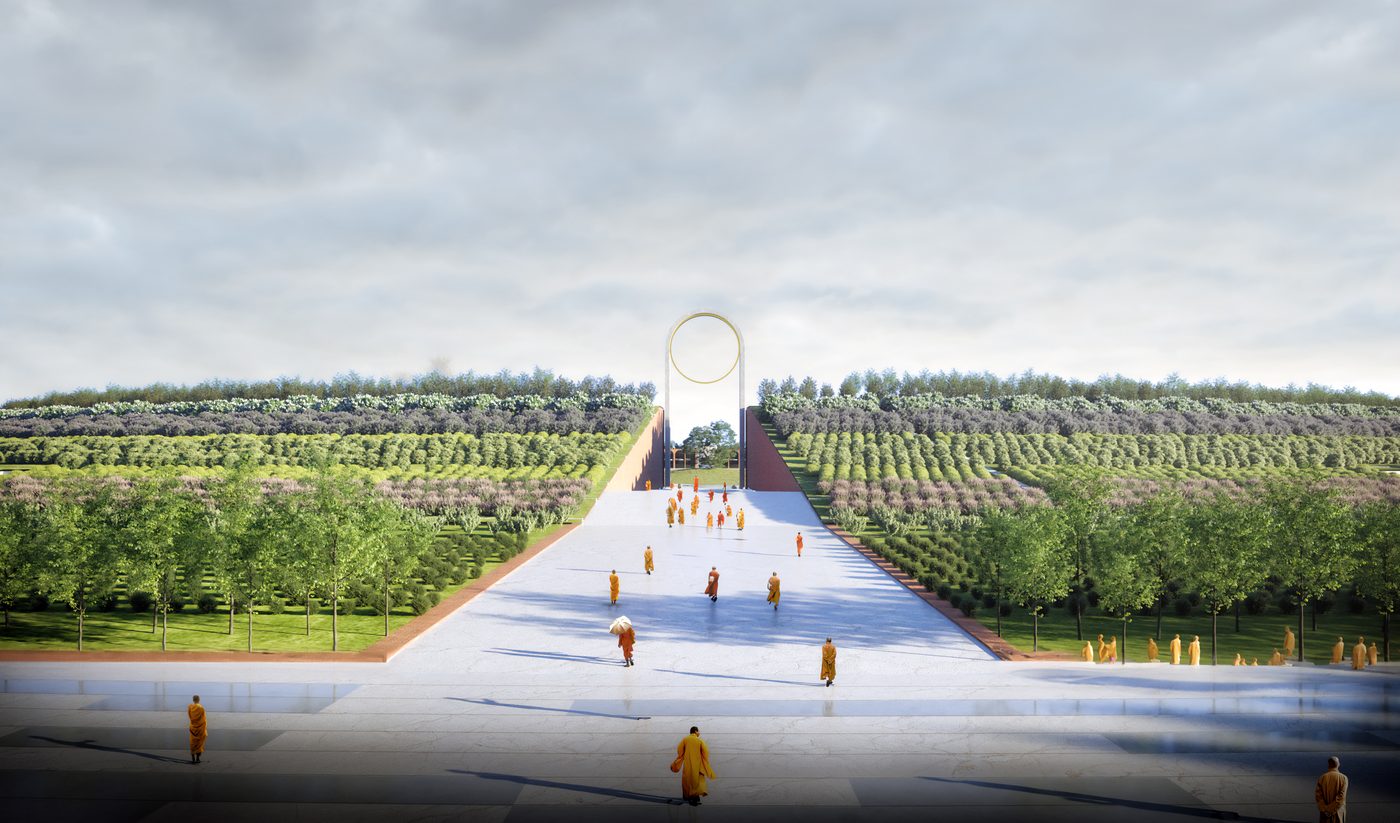
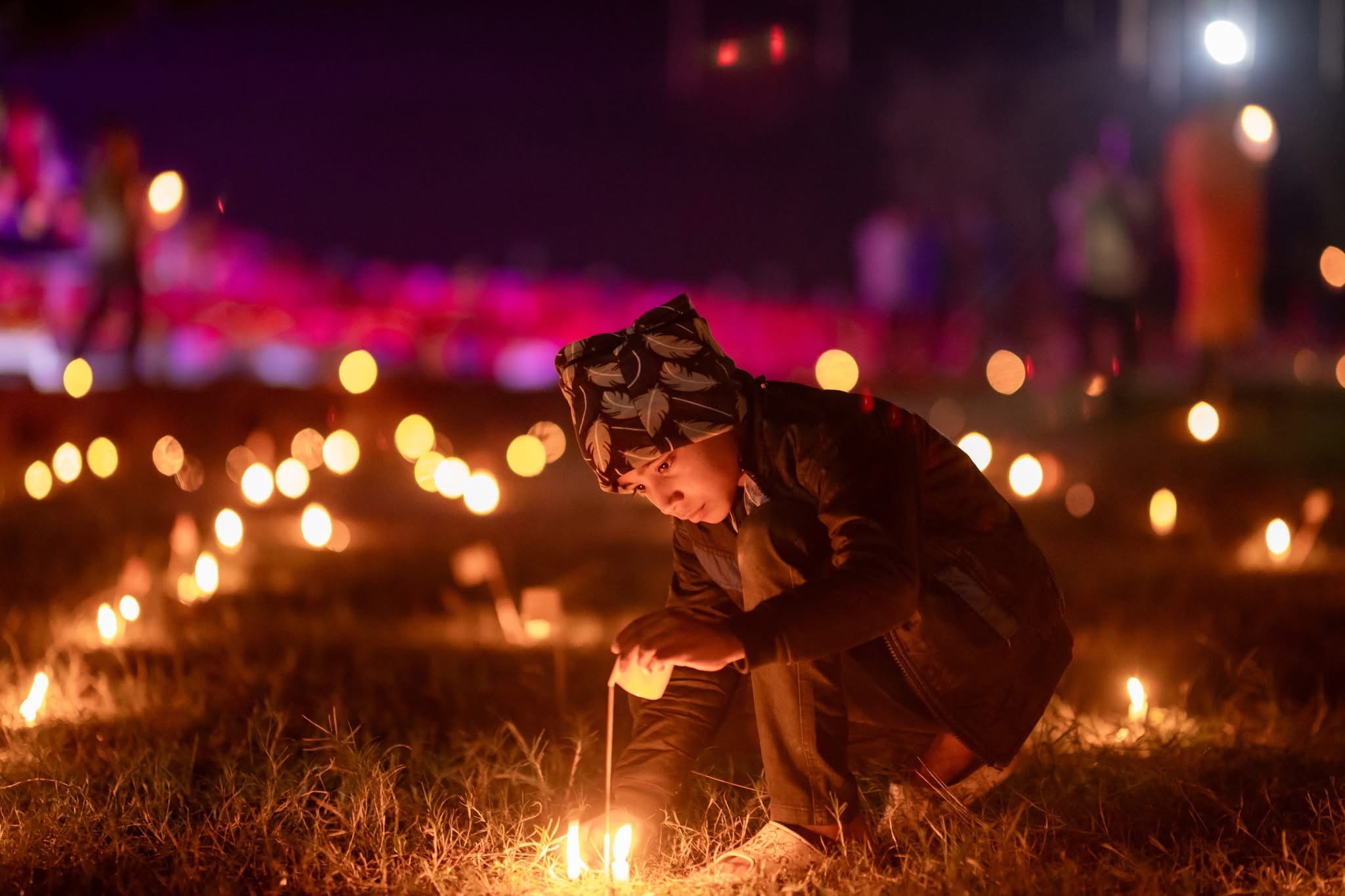
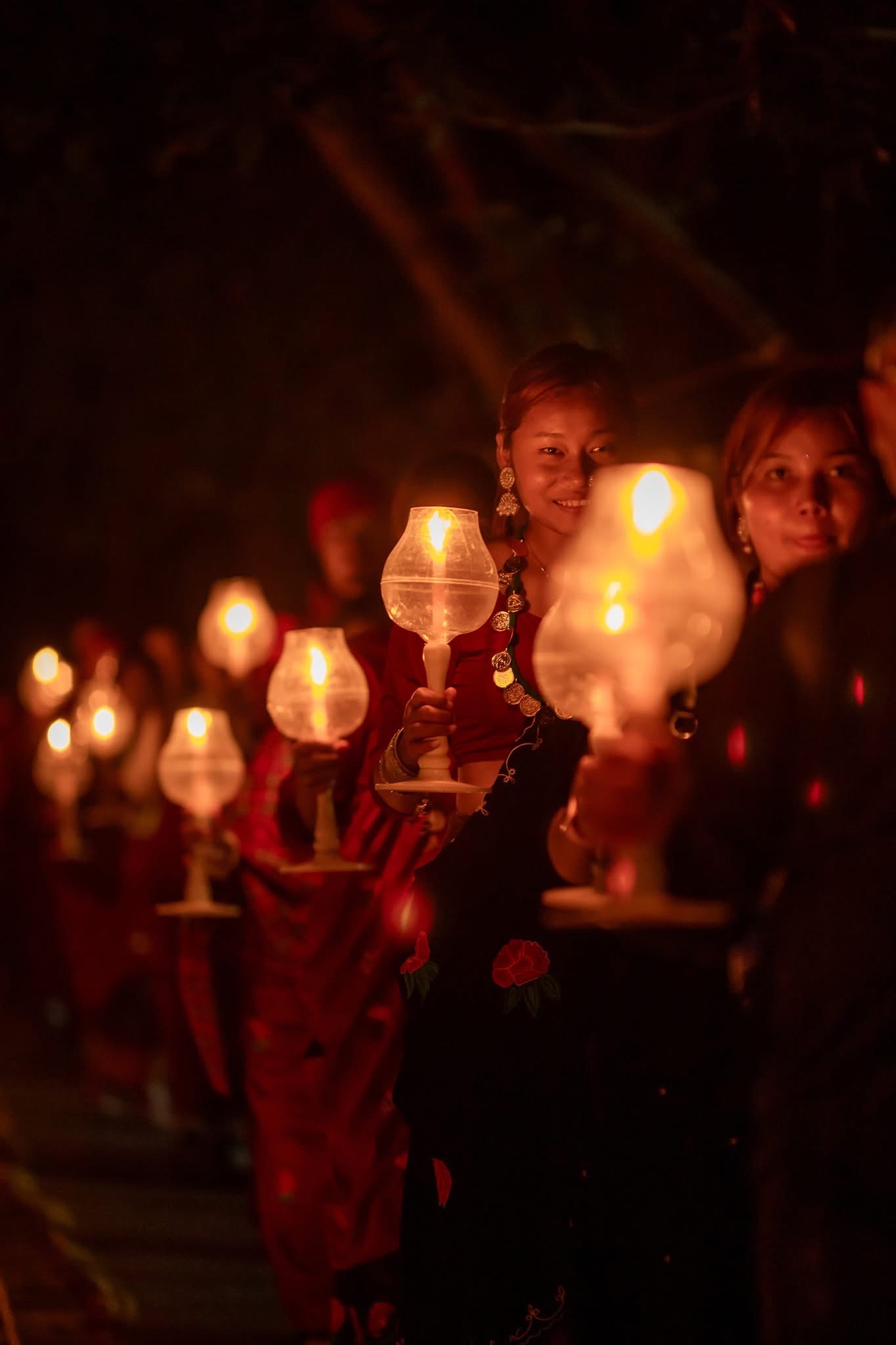
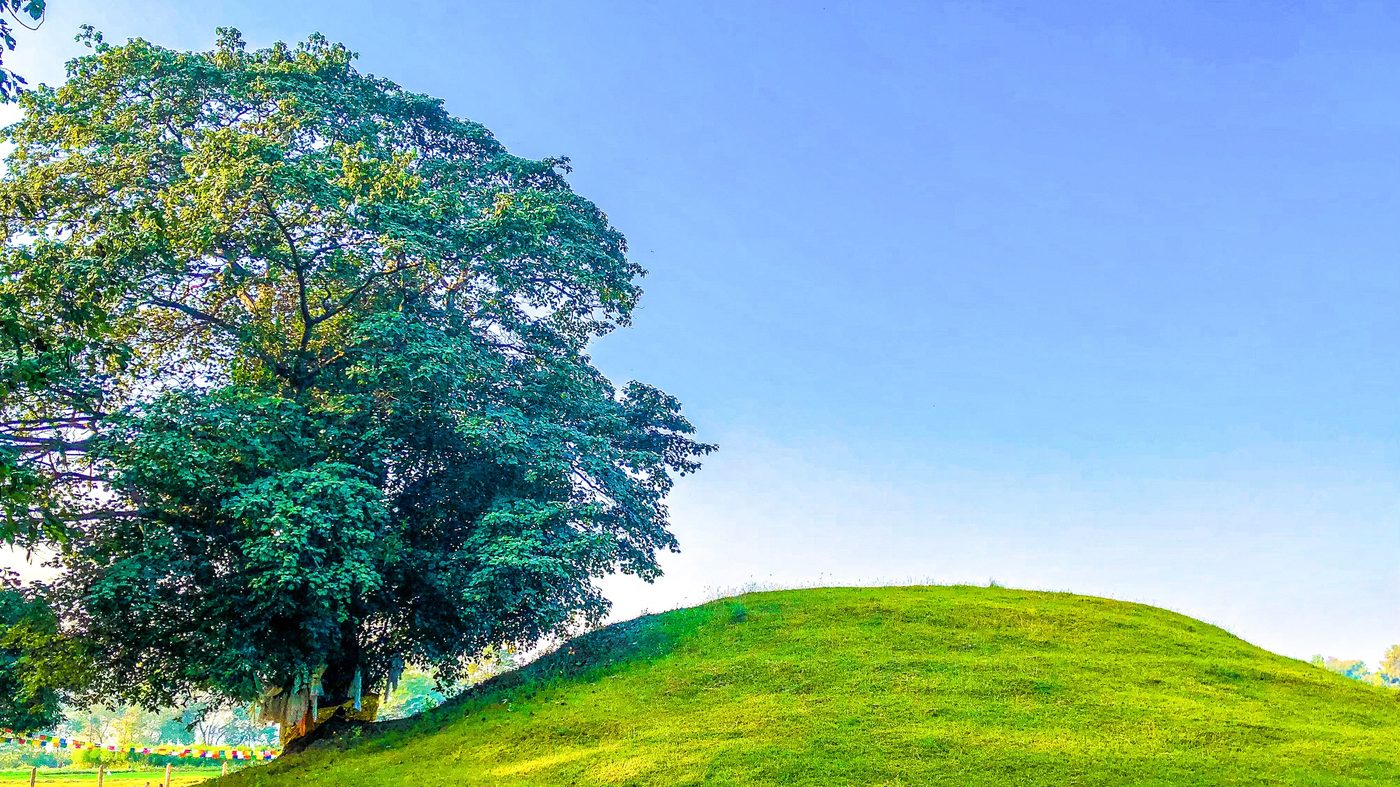
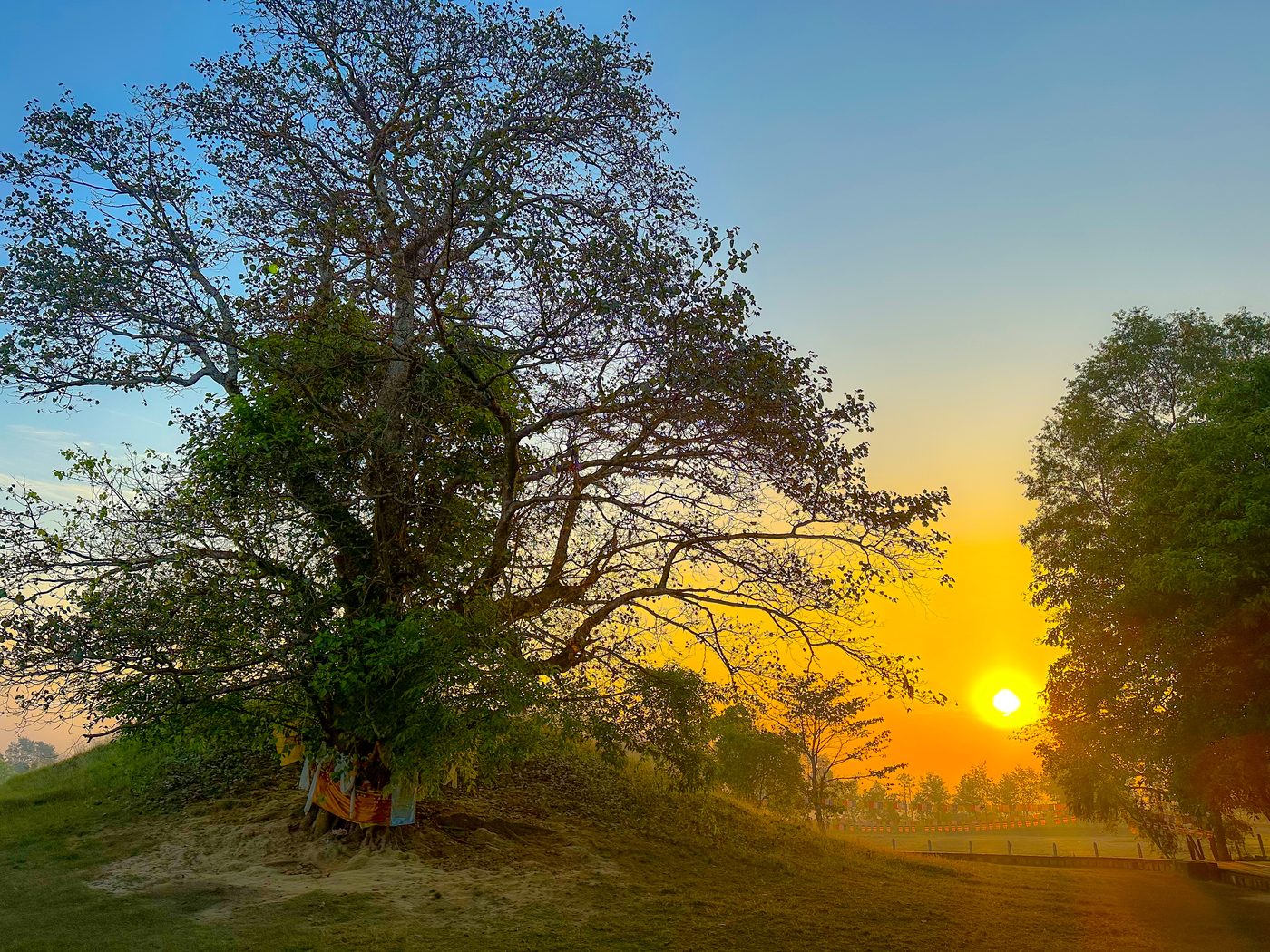
Ramagrama is not merely a place — it is humanity's living connection to the moment of the Buddha's passing. To preserve it is to honour the civilisational inheritance of two and a half millennia.
Strategic Significance
The Promised Land Foundation is the institutional anchor that gives The Promised Group its deepest meaning. Commercial ventures generate capital and capability; the Foundation channels these toward purposes that transcend any single business cycle — the preservation of heritage that belongs to all humanity, the advancement of peace as a practical discipline, and the creation of public infrastructure that serves generations.
This is the logic that distinguishes a group with civilisational ambition from a conventional conglomerate. The Foundation ensures that commercial success is not an end in itself, but a means toward outcomes that matter at a different scale entirely.
Ramagrama Master Plan
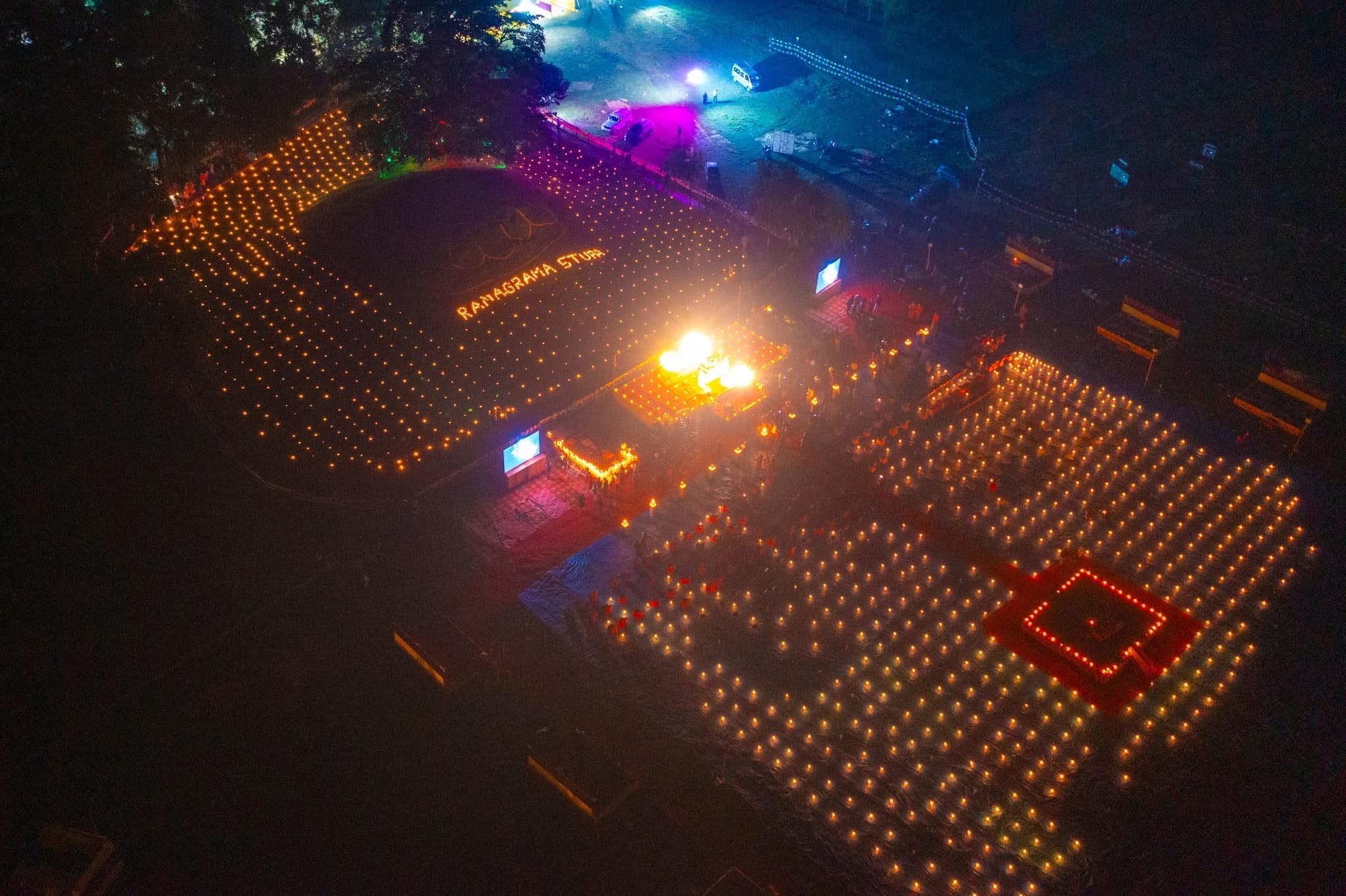
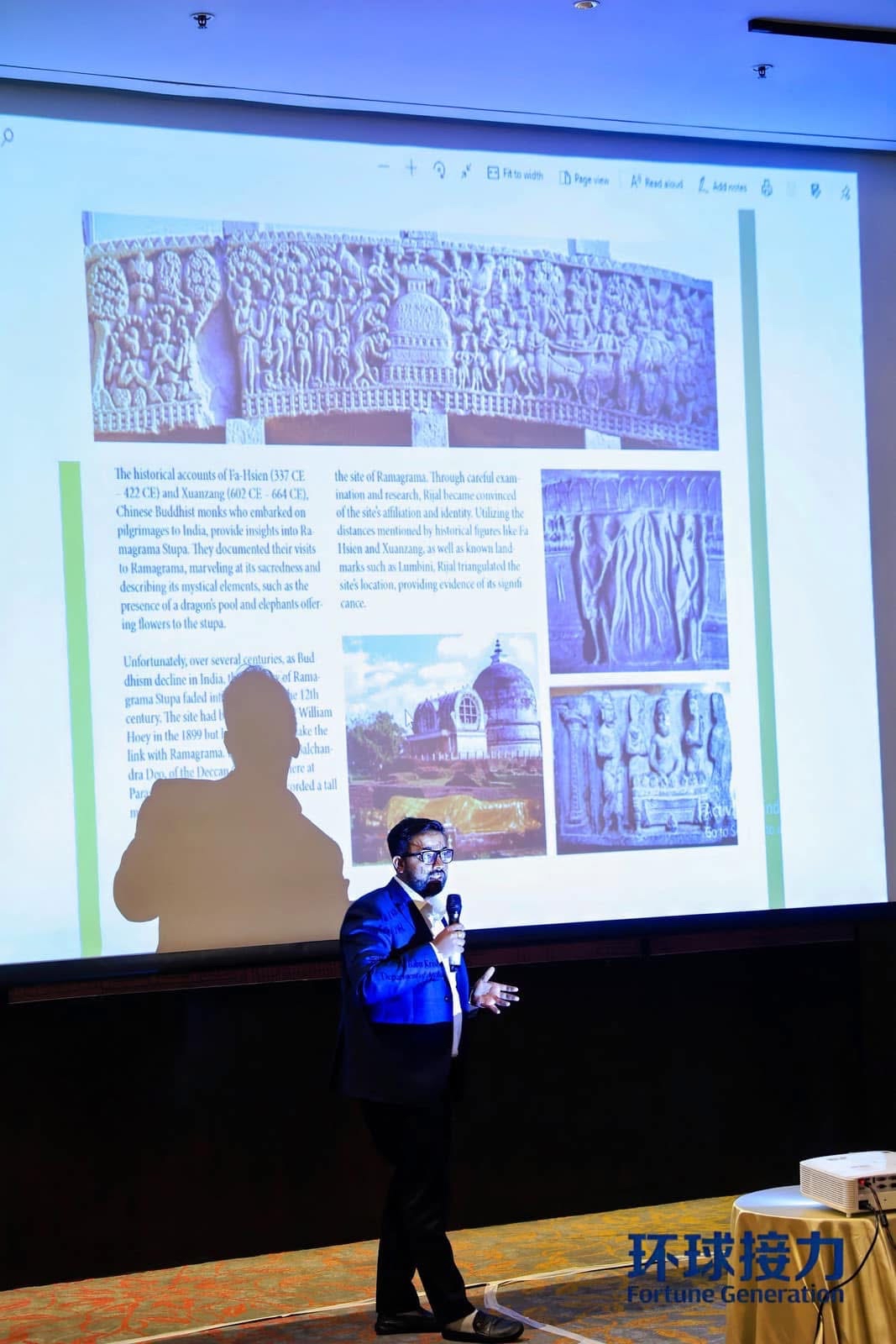
Ramagrama is home to the only undisturbed original stupa of the Buddha — a site of profound significance to the world’s Buddhist communities and to Nepal’s identity as the birthplace of the Buddha. The Ramagrama Master Plan, designed by Stefano Boeri Architetti, envisions a $500 million development that will create a world-class heritage destination while preserving the sacred integrity of the site.
The plan encompasses heritage conservation, visitor infrastructure, community development, and environmental restoration — designed to international standards by one of the world’s leading architecture firms. It represents the kind of project that only becomes possible when private institutional commitment, government partnership, and world-class design expertise converge.
World Peace Program
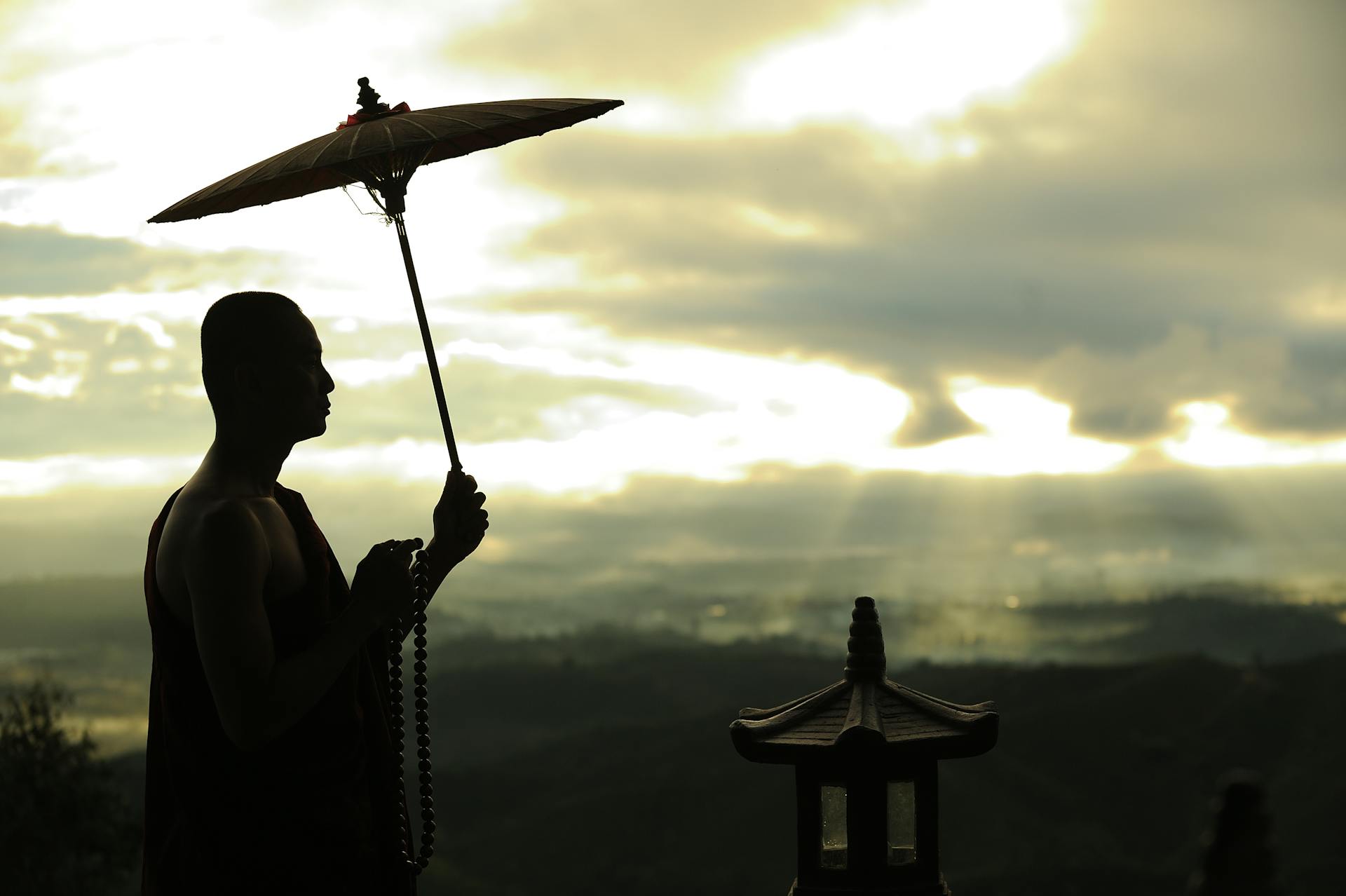
Nepal — birthplace of the Buddha, home to living Hindu and Buddhist traditions, and a nation that has navigated its own peace process — has a unique claim to serve as a venue for global peace dialogue. The World Peace Program builds on this positioning, creating a platform for diplomatic convening, interfaith engagement, and the practical work of conflict resolution and reconciliation.
The programme operates at the intersection of heritage and diplomacy, drawing on Nepal’s civilisational authority to create space for conversations that the world needs but struggles to host. This is not symbolic — it is institutional infrastructure for peace.
World Peace Program